Home/
Solar Panels
Working Of Solar Panels
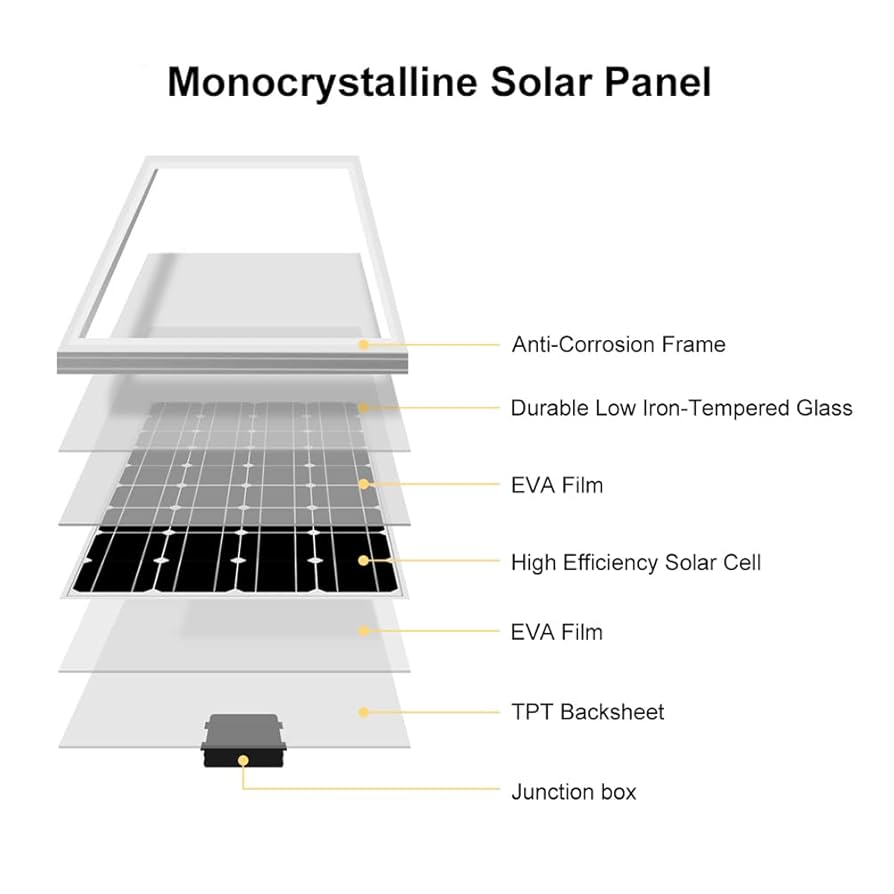
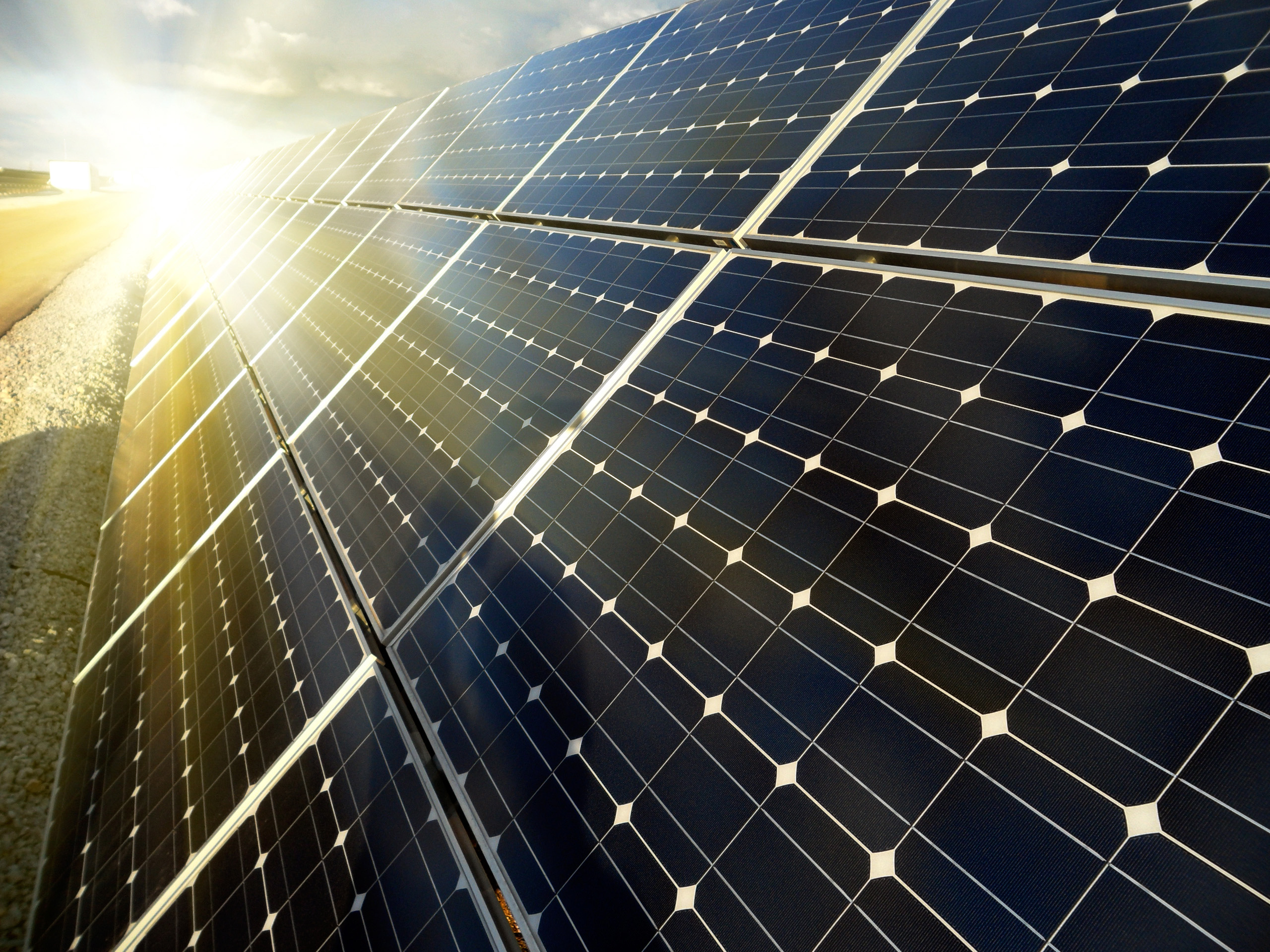
A solar panel works by converting sunlight into electrical energy through the photovoltaic effect. It consists of multiple photovoltaic (PV) cells, primarily made of silicon, a semiconductor material. When sunlight strikes these cells, the energy from photons excites electrons in the silicon, causing them to break free from their atoms. This creates free electrons and holes. Due to the internal electric field formed by the junction of p-type and n-type silicon layers, these free electrons are directed to flow in a specific direction, generating an electric current. Metal contacts on the top and bottom of the cells collect this current and transmit it as usable electrical power. The electricity produced is direct current (DC), which can be converted into alternating current (AC) through an inverter for home or industrial use. Thus, solar panels provide a clean, renewable source of energy by harnessing sunlight efficiently without emitting pollutants.
Types of Solar Panels
1. Monocrystalline Solar Panels
Made from a single continuous crystal structure of silicon.
Typically black in color with rounded edges.
They are highly efficient and produce more electricity in less space.
Usually more expensive compared to other types.
2. Polycrystalline Solar Panels
Made from multiple silicon crystals melted together.
Usually blue in color with square edges.
Less efficient than monocrystalline but more affordable.
Easier and cheaper to manufacture.
3. Thin-Film Solar Panels
Made by depositing very thin layers of photovoltaic materials like cadmium telluride or amorphous silicon.
Lightweight and flexible, which allows for versatile applications.
Generally less efficient and require more surface area.
Lower cost but shorter lifespan compared to crystalline panels.
Benefits of Solar Panels:
Renewable Energy Source
Solar energy is abundant and infinite, unlike fossil fuels which are limited.Environmentally Friendly
Solar panels generate clean energy without producing greenhouse gases or pollution, reducing carbon footprint.Reduced Electricity Bills
By generating your own electricity, you can significantly cut down on your monthly utility bills.Low Maintenance Costs
Solar panels require very little maintenance, mostly just cleaning and occasional checks.Energy Independence
Using solar power reduces dependence on the grid and fossil fuels, providing energy security.Increases Property Value
Homes and buildings with solar panels typically have higher market value.Government Subsidy’s
Many governments offer tax credits, rebates, and subsidies to encourage solar panel installation.Silent Operation
Solar panels produce electricity silently, without noise pollution.