Home/Services/
Solar Street Light
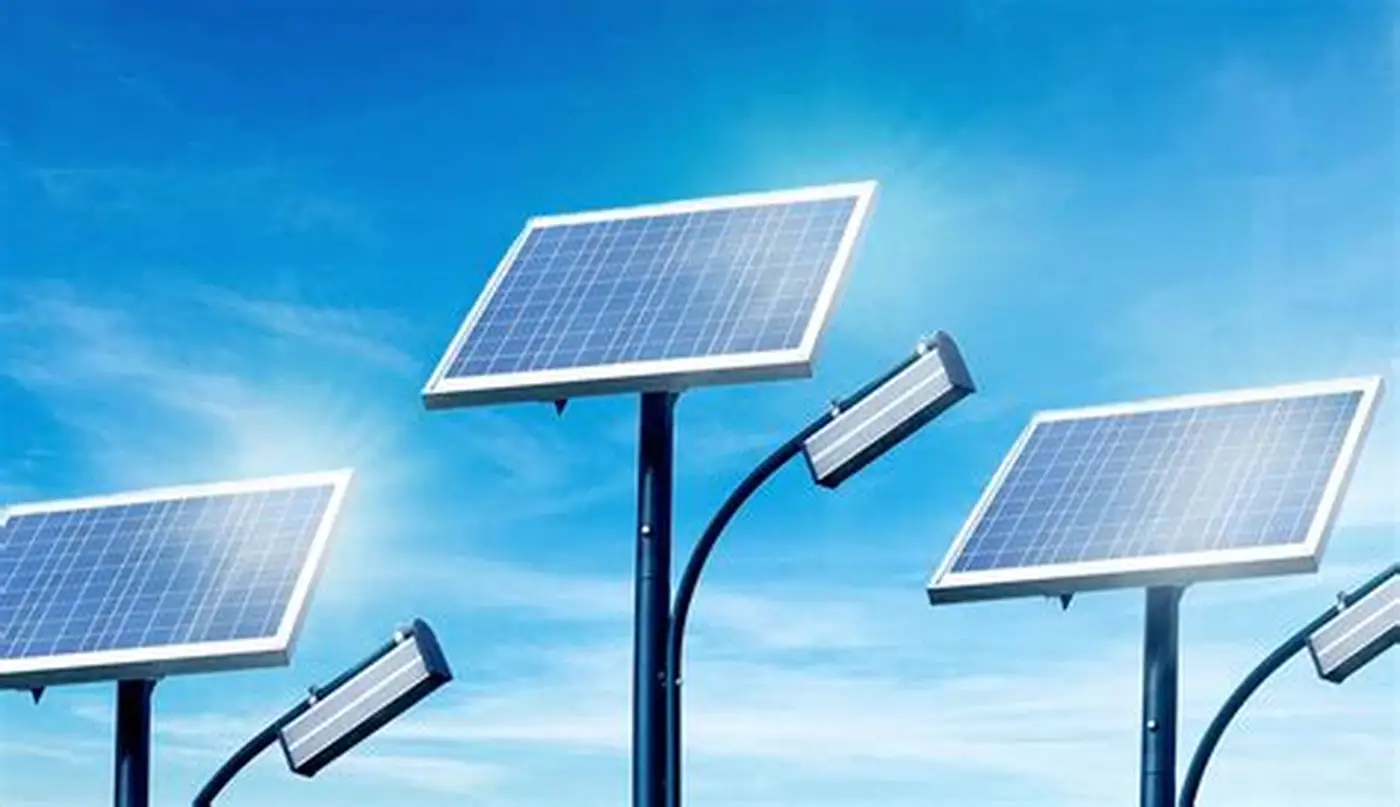
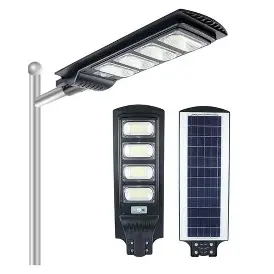
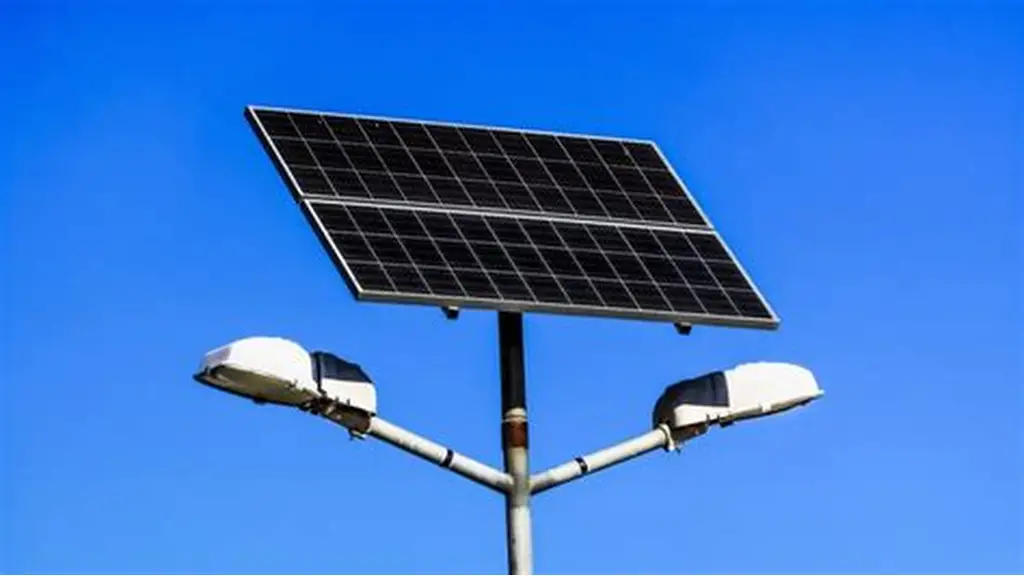
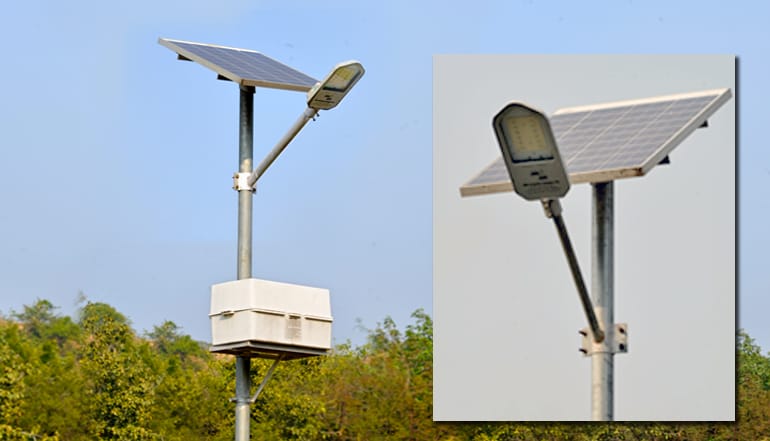
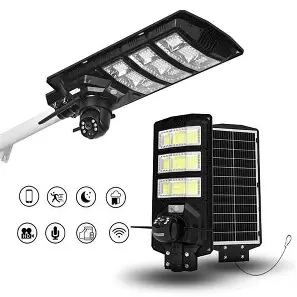
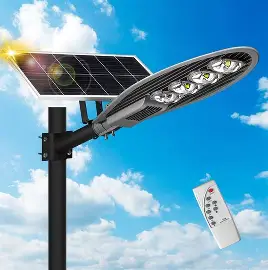
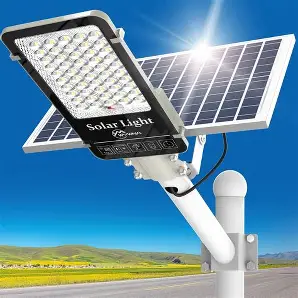
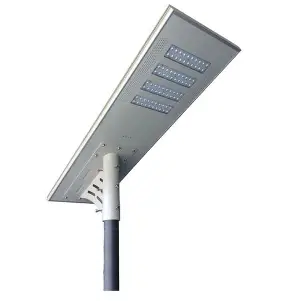
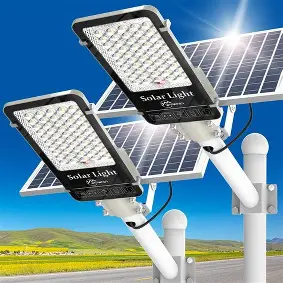
Components of Solar Street Light
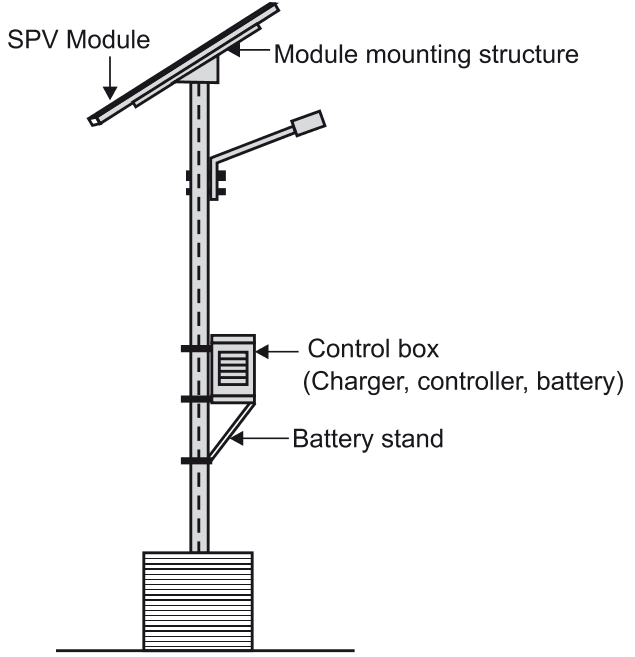
- Solar Photovoltaic (SPV) Module: Converts sunlight into electrical energy.
- Battery: Stores electrical energy for night use.
- Charge Controller: Regulates voltage and current to prevent overcharging or deep discharge of the battery.
- LED Lamp: Provides efficient lighting using stored energy.
- Pole: Supports all components at an optimal height.
- Control Box: Houses the controller, charger, and battery.
- Motion Sensors (optional): Detects movement and optimizes energy usage.
- Mounting Structure: Holds the solar panel at an appropriate angle for maximum sunlight absorption.
Solar Street Light Working Principal
- Daytime Charging: The SPV module absorbs sunlight and converts it into DC electricity.
- Energy Storage: The generated electricity is stored in the battery via a charge controller.
- Automatic Operation: The charge controller detects darkness and switches on the light.
- Nighttime Lighting: The battery supplies power to the LED lamp, illuminating the area.
- Motion-Based Optimization (if applicable): Lights operate at reduced brightness and increase intensity when motion is detected.
- Sunrise Detection: The system automatically turns off the light at dawn and resumes charging
Types Of Solar Street Light
| Type | Description |
|---|---|
| Standalone Solar Street Lights | Independent units with built-in battery storage. |
| Grid-Connected Solar Street Lights | Connected to the power grid for backup. |
| All-in-One Solar Street Lights | Compact system integrating panel, battery, and LED lamp. |
| Hybrid Solar Street Lights | Uses both solar energy and conventional electricity. |
| Motion Sensor-Based Solar Street Lights | Energy-efficient with motion detection for optimized lighting. |
Use Of Solar Street Light
- Urban and Rural Roads: Provides efficient lighting for pedestrian and vehicle movement.
- Highways and Expressways: Enhances visibility and reduces accidents.
- Residential Areas: Used in gated communities, parks, and driveways.
- Parking Lots: Ensures safety in commercial and industrial parking areas.
- Public Places: Parks, stadiums, and event spaces benefit from solar lighting.
- Remote and Disaster-Prone Areas: Provides reliable lighting where grid power is unavailable or unreliable.
- Security and Surveillance: Used in CCTV-integrated street lighting for enhanced security.