Home/Services/
Solar Water Heating System
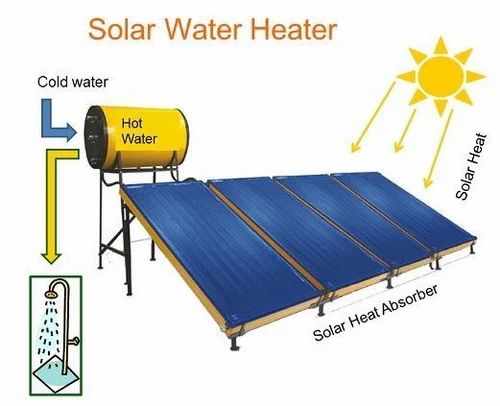

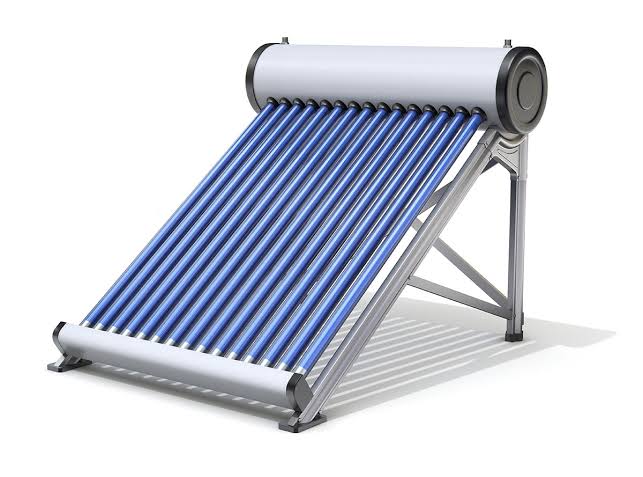
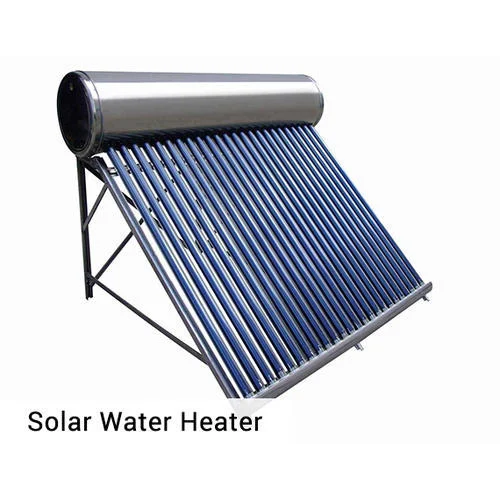
A solar water heating system uses energy from the sun to heat water for domestic, commercial, or industrial use. It is an environmentally friendly and cost-effective alternative to traditional water heating methods that rely on electricity or fossil fuels. The system typically consists of solar collectors, a storage tank, a circulation system, and a controller.
Solar collectors, usually mounted on rooftops, absorb sunlight and convert it into heat. The most common types are flat-plate collectors and evacuated tube collectors. A heat transfer fluid, often water or antifreeze, flows through the collectors and carries the absorbed heat to the storage tank. In direct systems, water is heated directly in the collectors, while in indirect systems, a heat exchanger transfers heat from the fluid to the water.
The heated water is stored in an insulated tank for later use, ensuring availability even during cloudy periods or at night. A backup heating system may be included to provide hot water during times of low solar energy.
Solar water heating systems help reduce greenhouse gas emissions and energy bills, offering long-term savings and sustainability. They are suitable for a wide range of climates and are increasingly popular in both residential and commercial applications.
Working of Solar Water Heating System:
A solar water heating system works by using the sun’s energy to heat water. Here’s how it functions:
- Solar Collector:
Installed usually on the roof, the solar collector absorbs sunlight. It contains tubes through which a heat transfer fluid (either water or antifreeze) flows. The fluid gets heated as it passes through the collector. - Heat Transfer:
The heated fluid flows to a storage tank, where the heat is transferred to the water using either direct contact or a heat exchanger. - Storage Tank:
The hot water is stored in a well-insulated tank to keep it warm for later use, even during cloudy weather or nighttime. - Backup Heater (Optional):
An electric or gas heater can be used as a backup when there isn’t enough sunlight.
Benefits:
- Saves electricity and fuel
- Reduces carbon emissions
- Low maintenance
- Cost-effective in the long run
- Environmentally friendly
Solar water heating systems are a smart and sustainable solution for reducing energy costs while supporting a greener planet.